Markets and demand
Structure market size, segments, adoption assumptions and supply–demand scenarios. See which assumptions drive the opportunity.
Techno-economic modeling
Compare markets, technologies and commercial alternatives. Connect technical assumptions with costs, cash flows and investment economics, and see which inputs could change the decision.
Ways to work together
What we model
Structure market size, segments, adoption assumptions and supply–demand scenarios. See which assumptions drive the opportunity.
Compare assets, technologies or routes on a defined basis. Separate structural cost differences from choices about scope and operation.
Connect capital, operating costs, cash flows and commercial terms. Test the conditions required for a business case to work.
Examine commercial scenarios, proposed terms and opportunity costs. Give the discussion a consistent analytical basis.
Inside the analysis
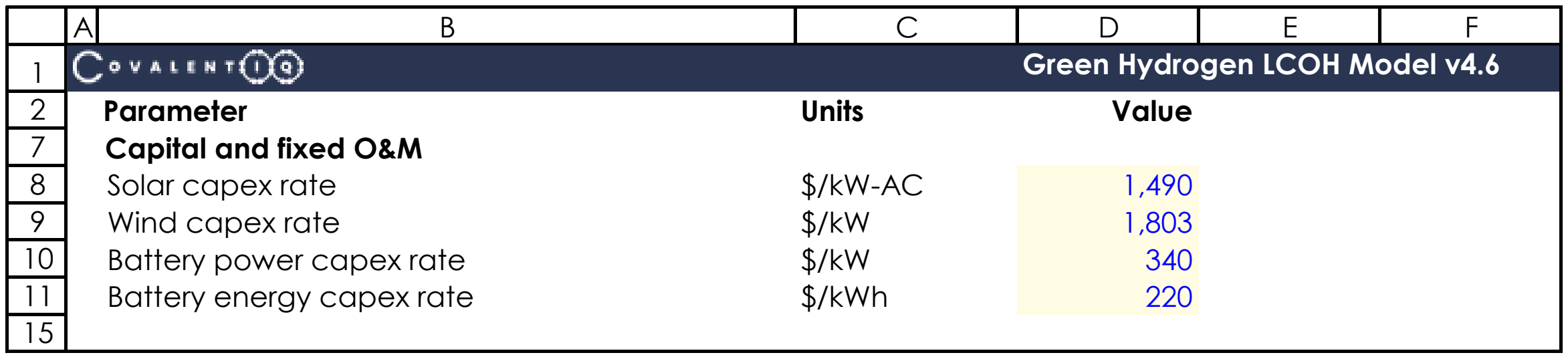
Use your team’s data alongside external sources, with targeted research where an input needs better evidence. Keep inputs, calculations and outputs distinguishable, and document sources, units and boundaries.
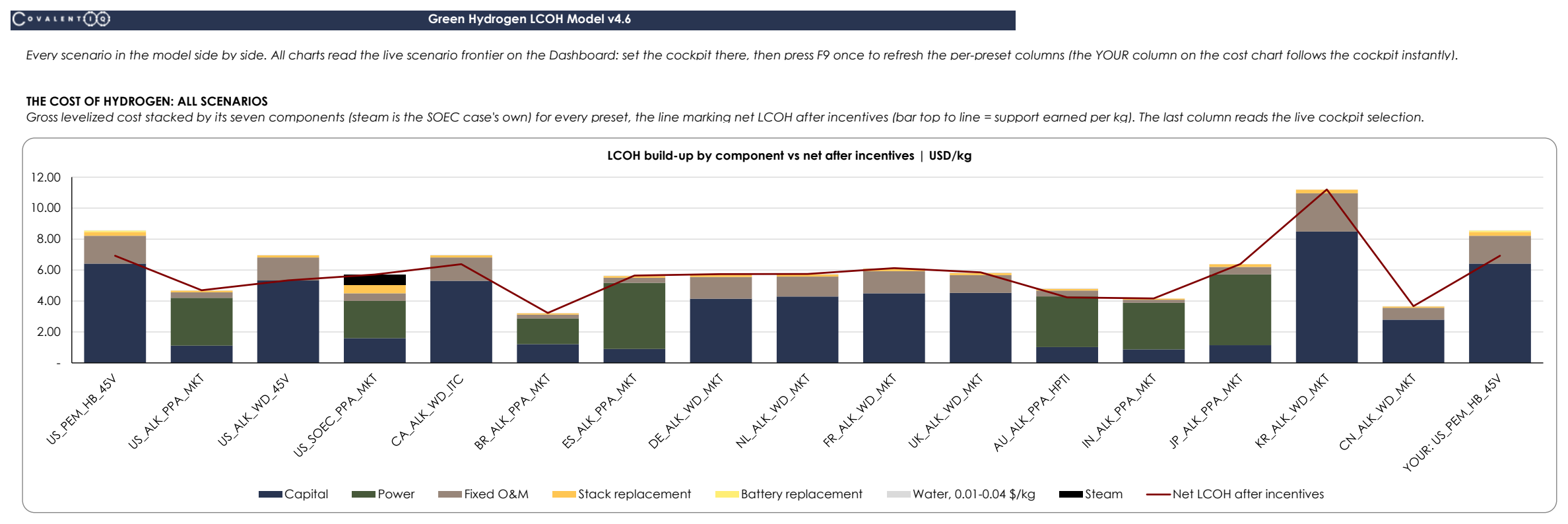
Change a coherent set of assumptions to compare alternative configurations.
Change one selected driver while holding the rest of the design constant to understand its effect.
Resources, investment and operation within the defined production boundary.
The price required under the assumed financing structure and target return.
Customer alternatives, willingness to pay and observed commercial terms.
We distinguish production cost, the price required to meet the target return and observed market prices. Customer evidence tests whether buyers will accept the offer.
How much could this assumption change the comparison?
How well is the assumption supported?
Focus further work on influential assumptions that need stronger evidence.
Identify where a better input could change the conclusion. Check model logic and reconciliations, and distinguish a scenario range from a forecast or probability estimate.
The handover
Commissioned deliverables, ownership and reuse rights are agreed in the scope. Library models have an organization license and product-specific support and update terms. Read the model license.
Selected experience
An industrial materials business
The model compared margin pressure, supplier changes and volume commitments in separate scenarios, providing a basis for assessing proposed terms against alternatives.
Bring the alternatives you are weighing and the analysis you already have. We will identify where an existing model, adaptation or bespoke analysis can help.
Discuss your modelssabitovs@covalent-iq.com