Working with models
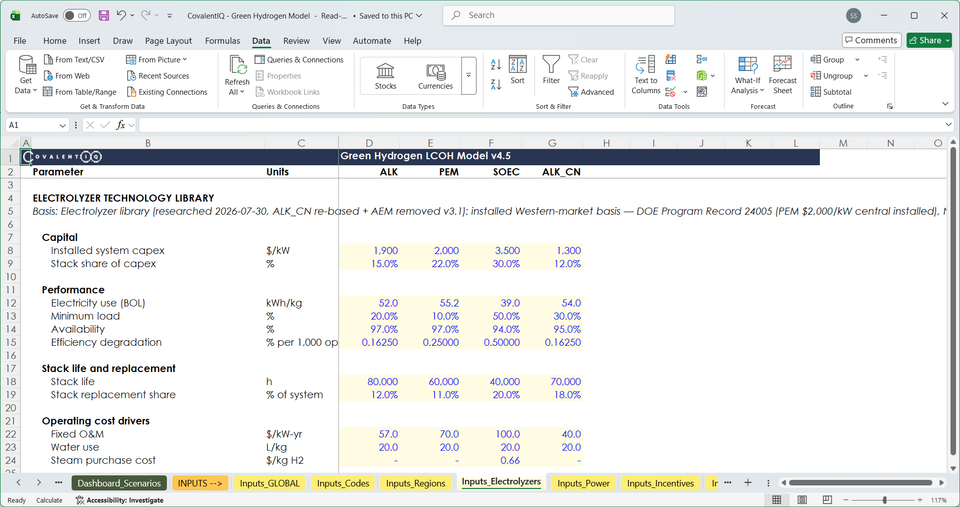
Why transparent Excel models matter in the age of AI
Understand what drives the decision. Verify the calculations. Test your alternatives.
Read the perspectiveInsights
Perspectives on understanding markets, interpreting economic models and connecting technical detail with commercial decisions.
Working with models
Understand what drives the decision. Verify the calculations. Test your alternatives.
Read the perspective
Primary research
The quality of the conversation depends on the research design, the follow-up questions and how evidence is interpreted.
Read the perspectiveFrom the model library
Explore the choices that drive cost, competitiveness and required selling prices, with interactive exhibits from the Excel models.

Executive paper
A purchased-power design can have the lowest net production cost without qualifying for a hydrogen production credit. Yet its required selling price is almost level with an owned-wind alternative. Power terms, asset commitments and the conditions attached to support can change which project deserves the next look.
Based on model version v4.6
Read the paper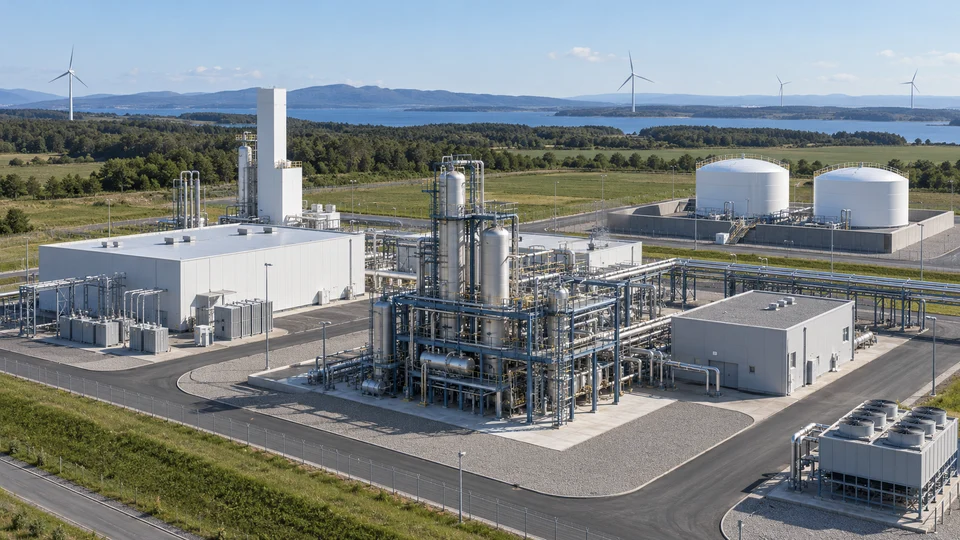
Executive paper
In these US Gulf Coast designs with owned, off-grid renewable generation, the main renewable-ammonia cost gap sits in the power and hydrogen production system. Selected workbook results show where capital is committed, how operating performance affects the case and which assumptions deserve stronger commercial evidence.
Based on model version v3.7
Read the paper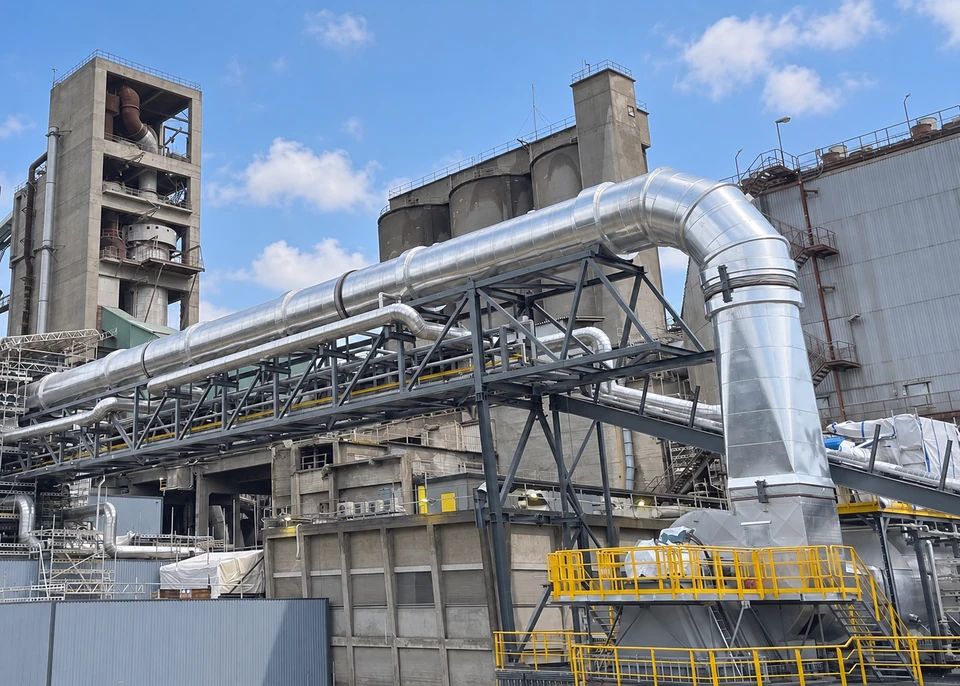
Executive paper
An eligible statutory $85 payment per tonne stored exceeds the gas-processing case's required payment, comes close for ethanol and falls far short for cement. Selected results from the CCUS Capture Cost workbook explain the differences and identify the next commercial and engineering questions.
Based on model version v1.17
Read the paper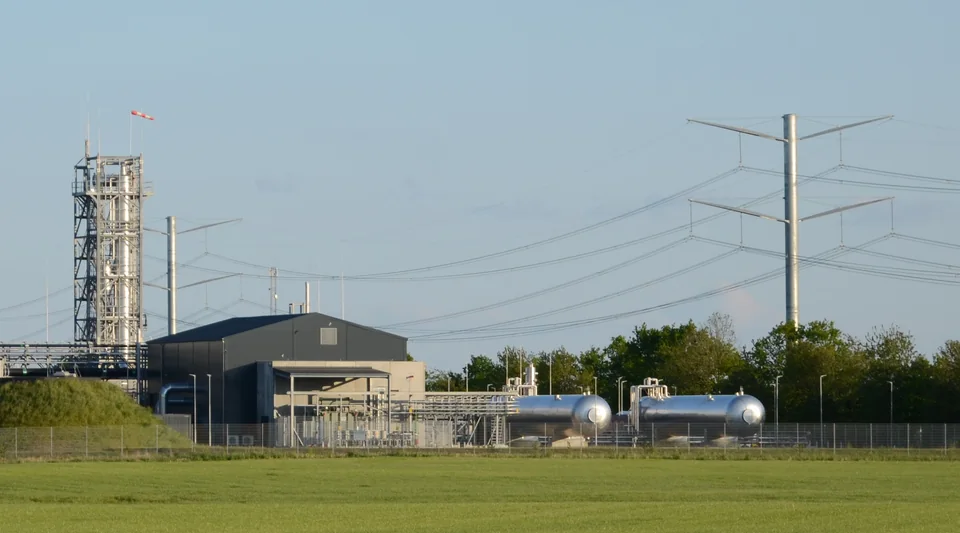
Executive paper
The Danish comparison combines different power systems and fuel-qualification assumptions. A matched grant case shows how a competitive award could change producer economics. Customer value depends on the fuel's credentials, the buyer's trading terms and voyage profile.
Based on model version v1.21
Read the paper
Executive paper
The two Midwest conversion routes have similar production costs; the larger difference is between their complete project designs and the Texas DAC/hybrid case. Selected model results follow power and carbon choices through operations, cost and the selling price required by the producer.
Based on model version v1.6
Read the paperStart a conversation
Start with your question, the evidence you have and your timetable. We can develop the brief together.
Discuss your decisionssabitovs@covalent-iq.com